Dragon-slayer stories are some of the oldest tales we still tell, and you can visit them.
This independent guide looks at the legend as painters and storytellers have shaped it: how Renaissance artists staged it on canvas, why a small hill in Oxfordshire is said to bear the dragon's mark, and how a County Durham worm became a song, a book and a waymarked walk.
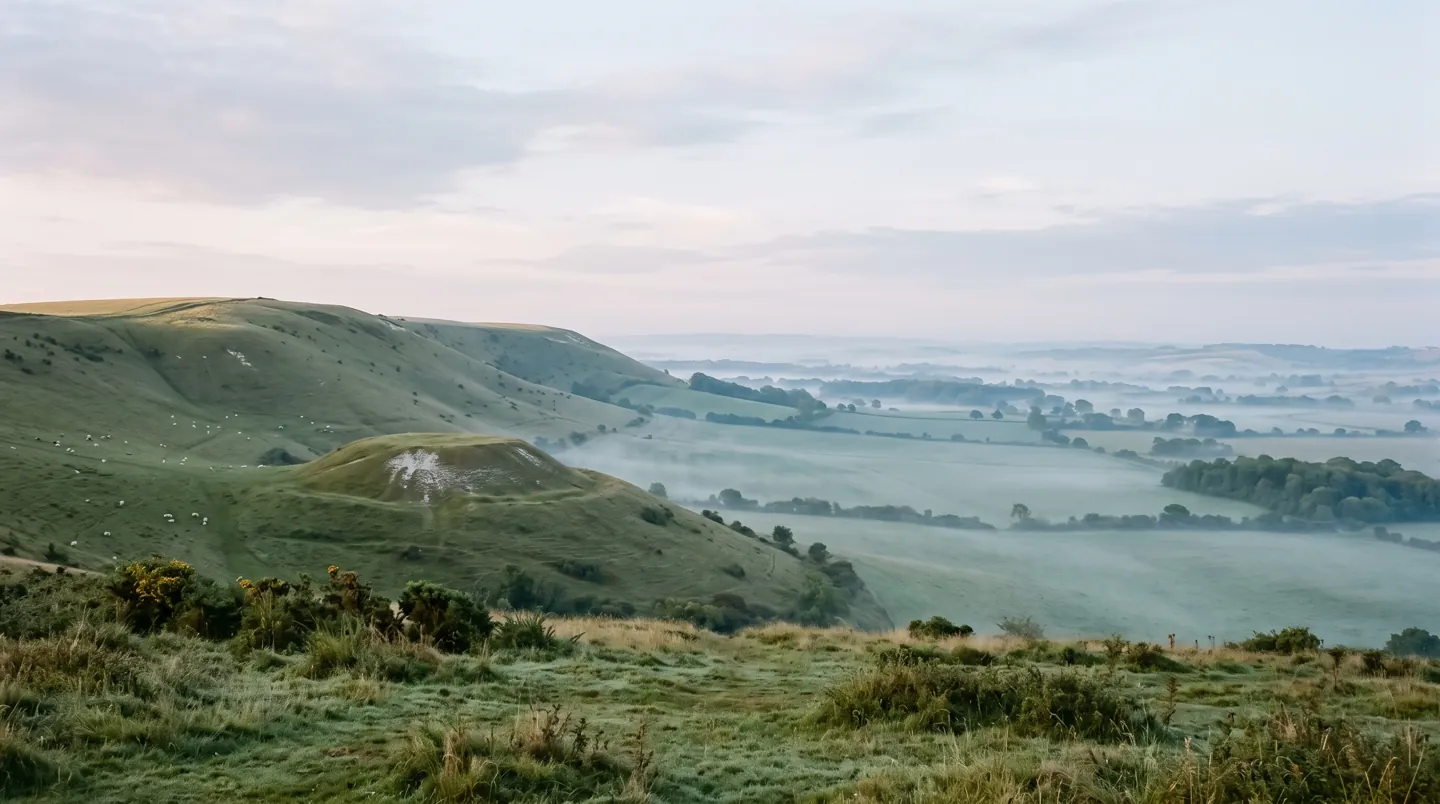
AI-generated image, not a photograph of a real person or place.
Painted as fantasy
Pinned to real hills
Worm means dragon
Old stories, still on the map
THE SHORT ANSWER
One legend, many settings.
The saint and the dragon travelled from Golden Legend to gallery wall. Local tales tied dragons to hills and rivers people could point at.
ON CANVAS
Two moments in one picture
The National Gallery says Paolo Uccello compressed two parts of the story into one small and strange picture around 1470, and that it feels more like a magical adventure than a sermon.
Dragon Hill, below the Uffington White Horse, is said to be where the dragon fell. The National Trust explains it is a natural hill about 10 metres high, shaped by melting ice.
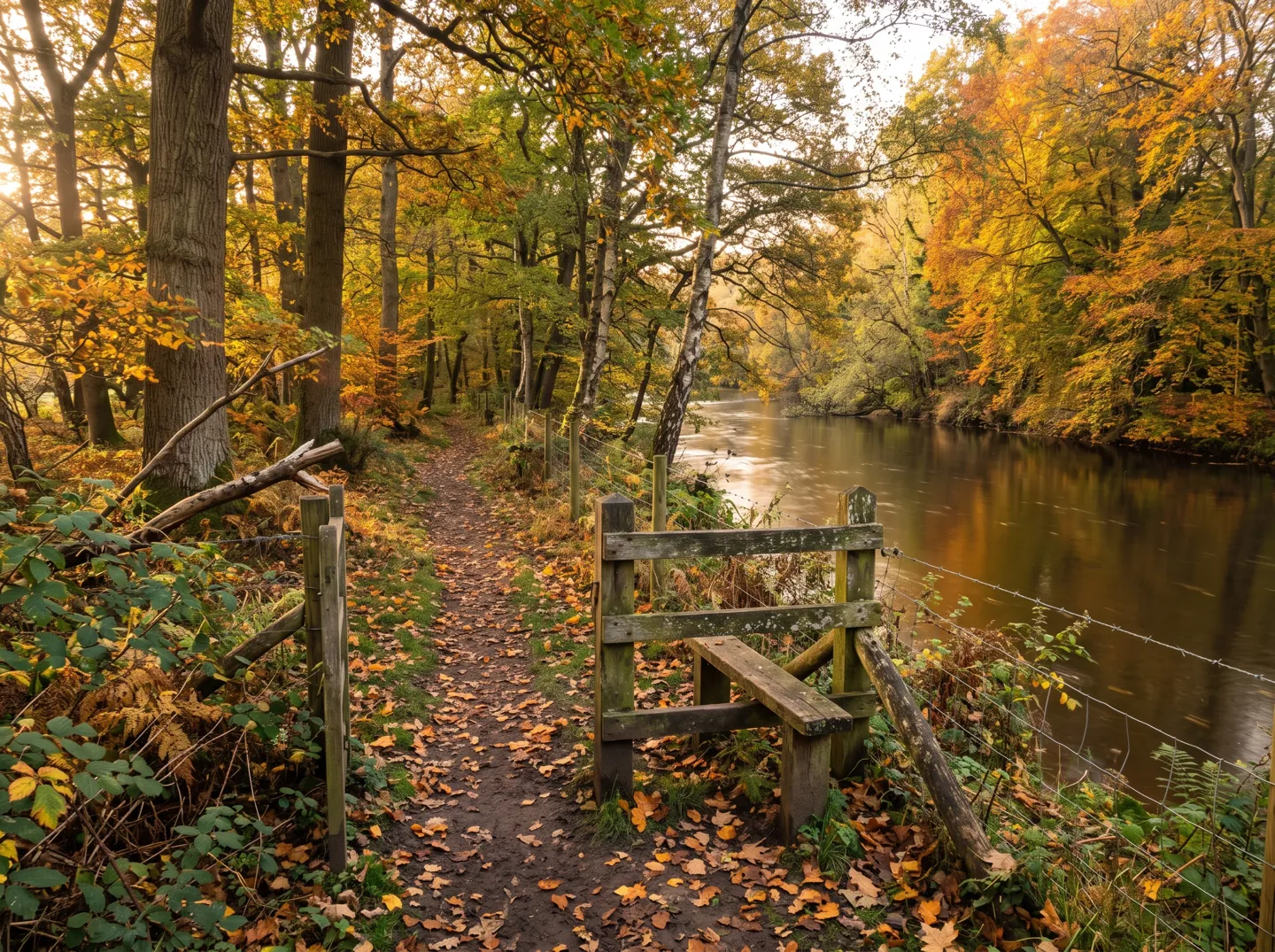
In County Durham the dragon is a worm, from the old word wyrm. The Lambton Worm tale now has its own National Trust walk around Penshaw Hill and the River Wear.
Pick a telling of a dragon-slayer story to see when it was made and what makes it distinctive. The bar shows how far back in time it sits compared with the others.
Dates for the paintings are the National Gallery's own estimates. The legends themselves are older than any of these tellings and cannot be dated.
TWO NUMBERS WORTH KNOWING
Legends you can walk to.
One hill in Oxfordshire, one riverside trail in County Durham.
10 m
Height of Dragon Hill, Uffington
A circular, natural outcrop of the chalk escarpment, scoured by melting ice and later levelled on top. Legend says the white mark on its summit is where the dragon fell and the grass has never grown back.
DRAGON HILL · NATIONAL TRUST
2.6 miles
Length of the waymarked trail
A moderate loop of about 4.16 km and 11 stages around Penshaw Hill and the River Wear, telling the story of the worm stage by stage. It takes about an hour and a half and includes steps and stiles.
LAMBTON WORM WALK · NATIONAL TRUST
The National Trust points out that St George never visited Uffington, and offers other explanations for Dragon Hill's bare patch, including a high level of potash on the summit.
FOUR WAYS TO EXPLORE
Meet the dragons for yourself.
No special knowledge needed. These are ways to see how one old story has been retold in paint, landscape and song.
Compare two paintings
The National Gallery in London holds both Uccello's and Tintoretto's versions. Look at how one feels like a fairy tale and the other like a storm.
Look for the story in a hill
At White Horse Hill, Dragon Hill sits below the Bronze Age chalk horse. Read the National Trust's notes on why the legend may have attached itself there.
Walk the worm's river
The Lambton Worm trail around Penshaw Hill follows the River Wear in 11 stages, each with part of the tale.
Listen for the old word
Worm comes from the Saxon wyrm, an old word for dragon. The North East has several worm tales, including the Sockburn Worm and the Laidley Worm.
AI-generated image, not a photograph of a real person or place.AI-generated image, not a photograph of a real person or place.
WHY THE STORY TRAVELS
Fantasy with a postcode.
The National Gallery notes that Saint George was popular across Italy, in Venice and Genoa, and in England, where he is patron saint. Painters were free to play with the scene: Uccello's horse is more dreamlike than lifelike and his perspective goes in several directions at once.
Local tellers did something else: they pinned the dragon to a place. A bare patch on a hill or a bend in a river became proof of the story, and later writers, from Bram Stoker to Bryan Talbot's Alice in Sunderland, borrowed the Lambton Worm for their own books.
Questions
Questions people ask
Where can I see paintings of St George and the dragon in the UK?
The National Gallery in London holds two well-known versions: Paolo Uccello's from about 1470 and Jacopo Tintoretto's from about 1555.
Is Dragon Hill at Uffington really where St George fought a dragon?
It is a legend. The National Trust says St George was not English and, according to history, never visited the area. The hill itself is a natural outcrop about 10 metres high.
Why is a dragon called a worm in the Lambton Worm?
Worm comes from the Saxon word wyrm, an old word for dragons. The North East of England has several worm legends, including the Sockburn Worm and the Laidley Worm.
Can you walk where the Lambton Worm story is set?
Yes. The National Trust has a 2.6 mile Lambton Worm walk around Penshaw Monument and the River Wear, in 11 stages, taking about an hour and a half.
How old is the Lambton Worm song?
The legend was set to music by C. M. Leumane in 1867 for a pantomime performed in Newcastle, which is why it is sung in Geordie dialect.